



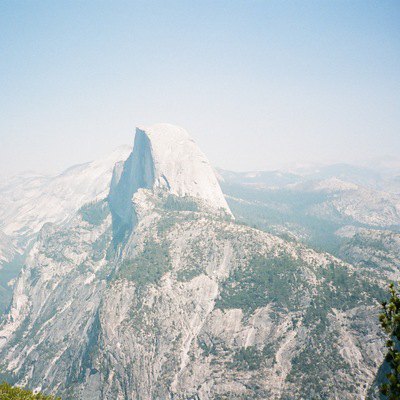
A story by Robbie · Yosemite Valley, California
THE
BIG
YEAR
On Half Dome at sunrise, a farm in Fowler,
and the birds that met us at the top.
This one starts on a granite wall before dawn. My fleece gloves were slipping on a steel cable, and my boots were feeling for the next wooden slat bolted into the rock. Somewhere around the halfway point, I asked myself a question I had never thought to ask before.
Am I afraid of heights?
I still don’t know the answer. But I know how I got there.

I
AUGUST 2021
It was August 2021, just two months into Willbo. We were still learning to walk, which is a generous way of saying we had no idea what we were doing. (We’re still figuring it out.) Weston Barnes, who was a big part of those early days, and I had sketched out our first proper brand road trip: a few days in Yosemite, then north to San Francisco for our first pop-up with friends in the Bay.
A few days before we left, Wes called.
“Dude. What do you think about hiking Half Dome?”

I thought it sounded great, in the way things sound great when you know nothing about them. Wes had somehow landed two permits at the last minute, which in Yosemite is no small thing. Saying no wasn’t an option. So I said yes, which is how most of the good things in my life have started, and a few of the bad ones.
II
FOWLER
We left early and pointed the car north up the 5. Late August. Cool morning air with the heat still sleeping in. Gas station chips and Diet Cokes, the works. Our first stop was my grandmother’s farm in Fowler, out where the Central Valley goes flat and quiet and the vineyards run in rows to the horizon.
My grandmother was born on that farm in 1935. It has been in our family for more than a century. It’s where we spent our Thanksgivings as kids, football murmuring from the TV inside while we ran wild through the grapevines until our mothers called us back in the dark. It’s also where my dad proposed to my mom. He’d planned a grand surprise in Berkeley. She, unaware of this, declined to make the drive. So he improvised, and asked her right there on the farm, which, as it turns out, was the better plan all along.
Wes and I swung by the local market for barbecue fixings and a couple tall boys of Modelo. That night the Valley was warm and hushed, the heat lying over everything like a dog that doesn’t want to get up. Crickets. A distant truck. Generations of my family had sat under those same stars, worrying about rain and prices and children. We worried about nothing at all. We talked about the week ahead and slept like stones.
We worried about nothing at all.
III
THE VALLEY

Morning came bluebird and clean. We drove into the park and spent the first few hours on the valley floor doing what Yosemite asks of everyone eventually: craning our necks, going quiet, and jumping into the Merced, which in August is merely very cold instead of punishingly cold. School had started back up and the crowds had gone home with it. The valley felt like a house after the party, quiet and generous and ours.
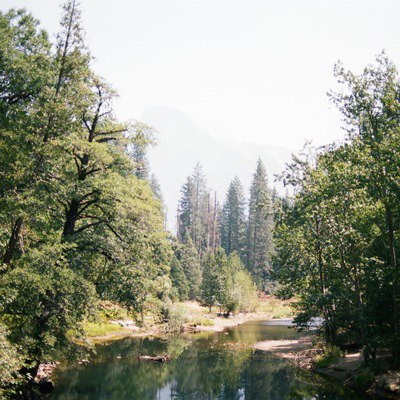
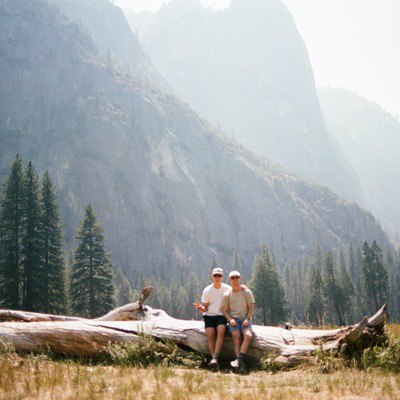
After lunch we shouldered our packs and started up the Mist Trail, past Vernal and Nevada Falls, where the spray finds you whether you invited it or not, before joining the John Muir Trail. Three and a half hours of switchbacks and granite steps and views that kept stopping us mid-sentence. By late afternoon we’d reached camp at Little Yosemite Valley. We pitched the tent, fired up the Jetboil, and ate dinner like we hadn’t eaten in a week.

That’s when Wes, casually, the way you’d mention the weather, laid out the plan.
“Alarm’s at 4:30. We summit for sunrise.”
I believe I made a small noise. Then I said, “All righty. Let’s do this thing,” because there is no other acceptable response, and because by then I was too tired to argue.

IV
THE CABLES
The alarm went off in what I can only describe as the middle of the night. We walked the first half in total darkness, headlamps bobbing through the pines, and arrived at the base of the cables before anyone else.
From the bottom, in that thin blue light before dawn, the wall looked reasonable. Approachable, even. This is a lie Half Dome tells everyone. It is far steeper than it lets on.

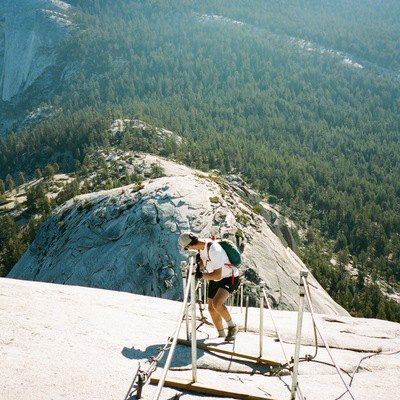
People have been discovering this for a long time. In 1875, a Scottish blacksmith named George Anderson became the first person to stand on top. Most said it couldn’t be done. Anderson went up anyway, drilling into the granite one hole at a time, hammering in iron bolts and roping himself up the face inch by inch. The cables came later, in 1919, so that the rest of us could follow.

We powered on. Hand over hand. Slat to slat. Not looking down, then looking down, then deeply regretting it. And just as we neared the top, the sun cleared the eastern Sierra and spilled across the high country, across the valley walls, across our cold and slightly terrified faces. After that climb in the dark, nothing has ever felt so warm.

We walked west across the summit toward the famous edge and high-fived like a couple of Little Leaguers who’d just walked it off in the bottom of the ninth. Then we sat down, and neither of us said anything for a long while.
I’d seen the valley from above once before. A few years earlier I’d backpacked to North Dome and looked across at Half Dome from the other side, and it was a marvel. But sitting on top of Half Dome at sunrise is something else entirely. El Capitan catching the first light. The Merced, a silver thread far below. The whole valley waking up in no particular hurry, the way it has every morning for longer than anyone has been around to watch.

V
THE BIRDS
And then there were the birds.
They were out on their morning rounds, riding the warm air up the granite, banking and gliding across the valley with an ease that felt a little unfair given what we’d just been through. Squirrels poked their heads out of cracks at our feet, entirely unbothered. How did they even get up here? Whatever the answer, they’d clearly settled the heights question long ago.
There’s something about birds in the West. They were here before the trails and the cables and the names on the map. They know every ridge and river by heart. They don’t own an inch of this land, and yet the whole sky is theirs. I’ve never seen anything look as free as a bird riding the air up a canyon wall at sunrise.

Wes started telling me about birdwatching, how many people around the world love it, and how seriously some of them take it. He told me about something called a Big Year. One person, one calendar year, as many species as you can find. People cross continents for it. They chase a single warbler through three states. They wake up at 4:30 in the morning.
I laughed. Then I stopped laughing, because I realized we’d just done exactly the same thing, for exactly the same reason. To see something wild and beautiful with our own eyes, while it was still there to be seen.

That morning marked a beginning for me, in more ways than I understood at the time. A new adventure. A new chapter. A new climb, with Willbo. I’m grateful for it still.
Halfway down the mountain, Wes stopped on the trail and turned around.

“Rob. We have to make
a birdwatching hat.”
He didn’t have to ask twice.

VI
CABIN IN THE CITY
Back on the valley floor we peeled off our boots, dropped our packs, and did the one thing no Yosemite trip is complete without, regardless of season. We jumped in the Merced. Then we drove for the city, where our first pop-up was waiting: Backyard Projects, a barbecue and Wiffle ball tournament in Golden Gate Park with more than a hundred of our Bay Area friends, many of whom took the Wiffle ball far more seriously than the barbecue. The first brand trip was in the books. It would not be the last.
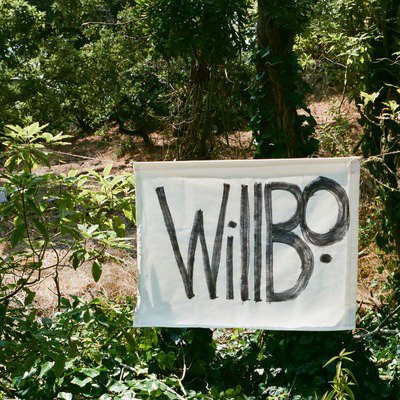
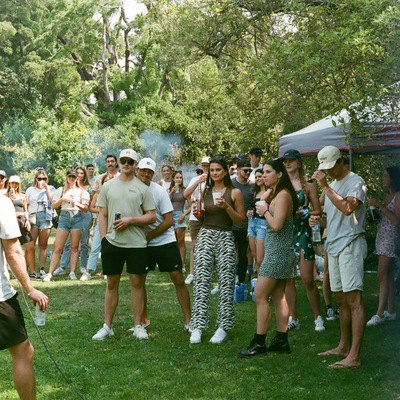
We drove home sunburned, sore, and unable to talk about anything but that valley. So three months later, in November, we brought it back with us.
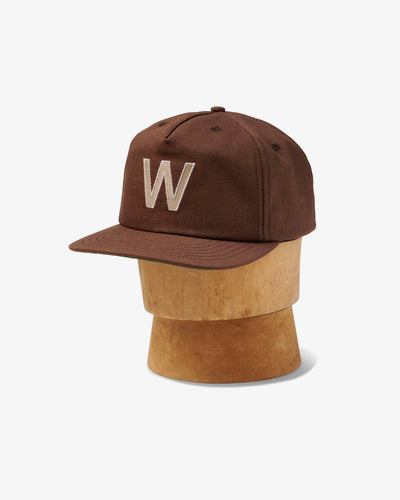
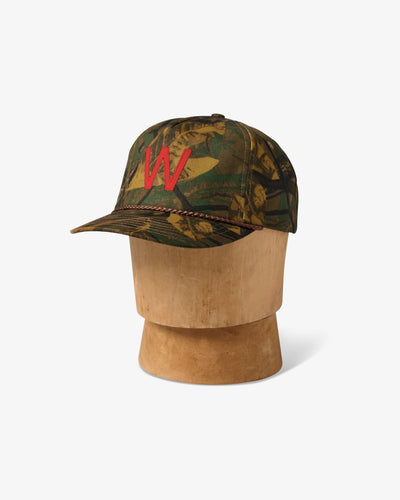
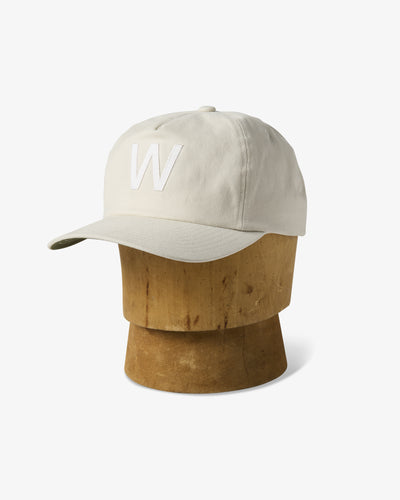
We rented a space in the Sunset District and turned it into a valley cabin. We called it Cabin in the City. Inside hung our new collection, Voyagers of the Valleys, born of Yosemite and that trip with Wes: river blues, pine and meadow greens, the warm gold of granite in early light. And on a shelf near the door sat our very first birdwatching hat.
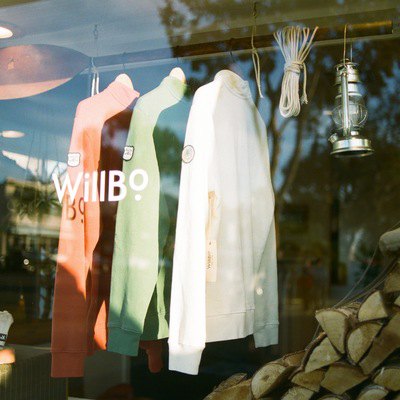
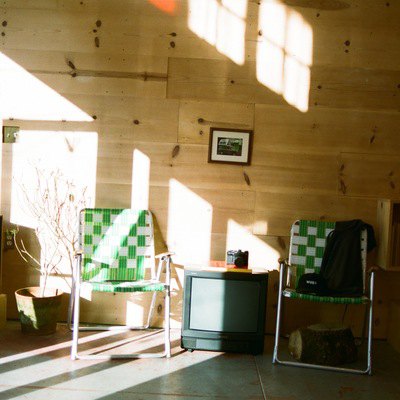
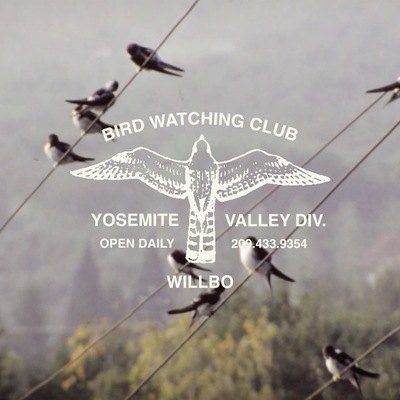
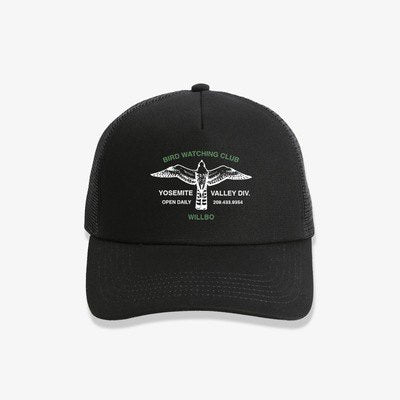
BIRD WATCHING CLUB. YOSEMITE VALLEY. OPEN DAILY.
We called it The Big Year.

Our good friends Jack and Susannah Winn helped bring the place to life, and Cameron Saffle ran the food and drinks, keeping a room full of hungry and thirsty Cal grads well fed and well hydrated, which is no small task. We put on some good records and opened the doors. My oldest friends from Berkeley were there, along with half the people we knew in the city. It was one of those Willbo nights I’ll carry with me for a long time.

VII
FIVE YEARS LATER
Five years later, after countless adventures, ups, downs, and a great deal in between, we’re proud to introduce our new birdwatching tees and hats. They carry the same spirit as that sunrise on Half Dome, and the same quiet admiration for the birds that met us at the top. This collection belongs to Wes as much as anyone.
New for 2026
The Bird Watching Tee & Trucker
Two new pieces for the early risers.
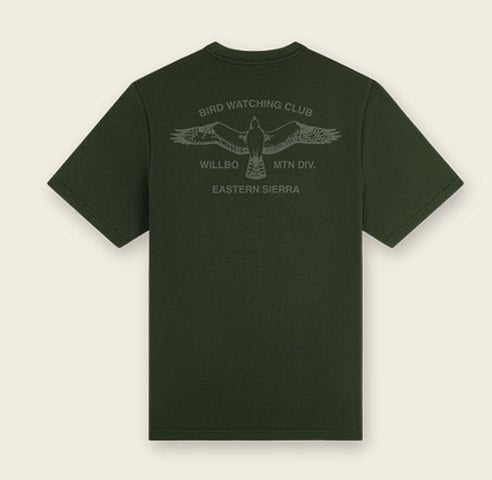
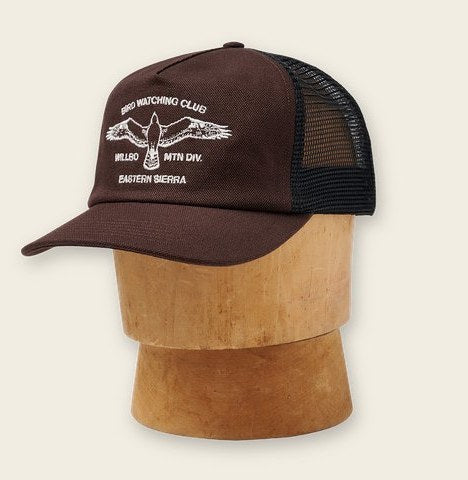
Bird Watching Tee
Made in the U.S.A. from 6.5 oz open-end cotton, with a dry, authentic hand that recalls the vintage surf and athletic tees of the past. Hawk and W·B mark on the left chest.
Shop the teeBird Watching Trucker
Crafted in Los Angeles from durable 10 oz cotton duck canvas and traditional mesh, with a structured mid-profile crown and an adjustable snapback.
Shop the trucker

Emily Dickinson once wrote that “Hope is the thing with feathers.” She never climbed Half Dome, as far as I know, but I think she’d have understood.
Whether you keep a field guide in the glove box, or just notice a red-tailed hawk on a fence post once in a while on the drive home, birds have a way of reminding us to look up. To slow down. To pay attention. Out here under these big western skies, nature puts on a show every single morning. All it asks is that we notice.
I’m still not sure whether I’m afraid of heights. But I’ve learned this much. The best views of my life have all been the ones I was a little scared to climb toward.
Here’s to the climb.
Here’s to looking up.
Robbie
The Early Risers
of the Eastern Sierra
Plates after John James Audubon, The Birds of America, 1827–1838.
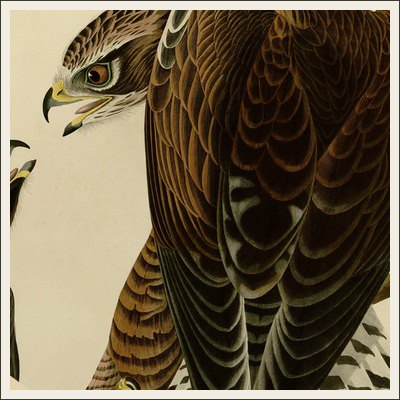
Pl. I Rough-legged Hawk
Down from the Arctic for the winter. Look for it over Long Valley.
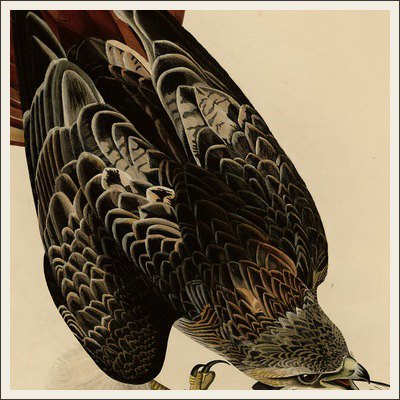
Pl. II Red-tailed Hawk
Watching the fence lines up the 395 all year.
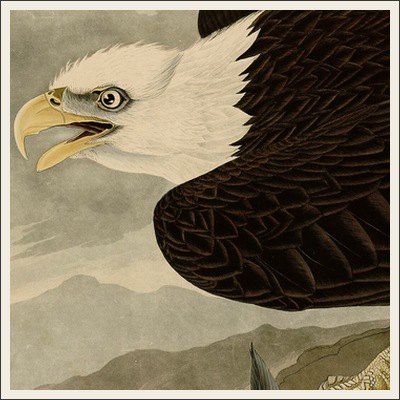
Pl. III Bald Eagle
Back on Crowley Lake for the winter.
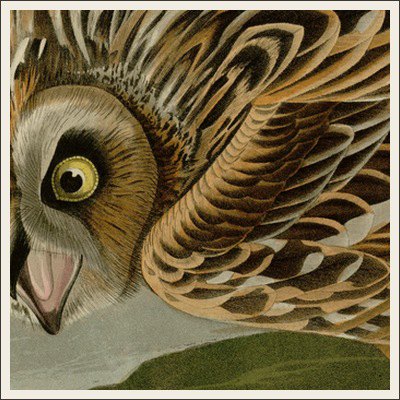
Pl. IV Short-eared Owl
Hunts the pastures west of Crowley Lake at dusk.
| Species | Where | When |
|---|---|---|
| Bald eagle | Crowley Lake | Winter visitor |
| Rough-legged hawk | Long Valley | Winter visitor |
| Ferruginous hawk | Owens Valley | Winter visitor |
| Northern harrier | Fields and marsh | Winter visitor |
| Short-eared owl | West of Crowley Lake | Winter, at dusk |
| Mountain bluebird | Owens Valley | Winter flocks |
| Golden eagle | Ridgelines along the 395 | Year-round |
| Prairie falcon | Cliffs and open valley | Year-round |
Best looks come in the first hour after sunrise and the last before dark.
