



DISCOVERING
SAN
ONOFRE
Owls and tortoises, rationed gas and green fins,
and a tall, handsome boy named Bob.
Words by Nevil McInerny·8 min read
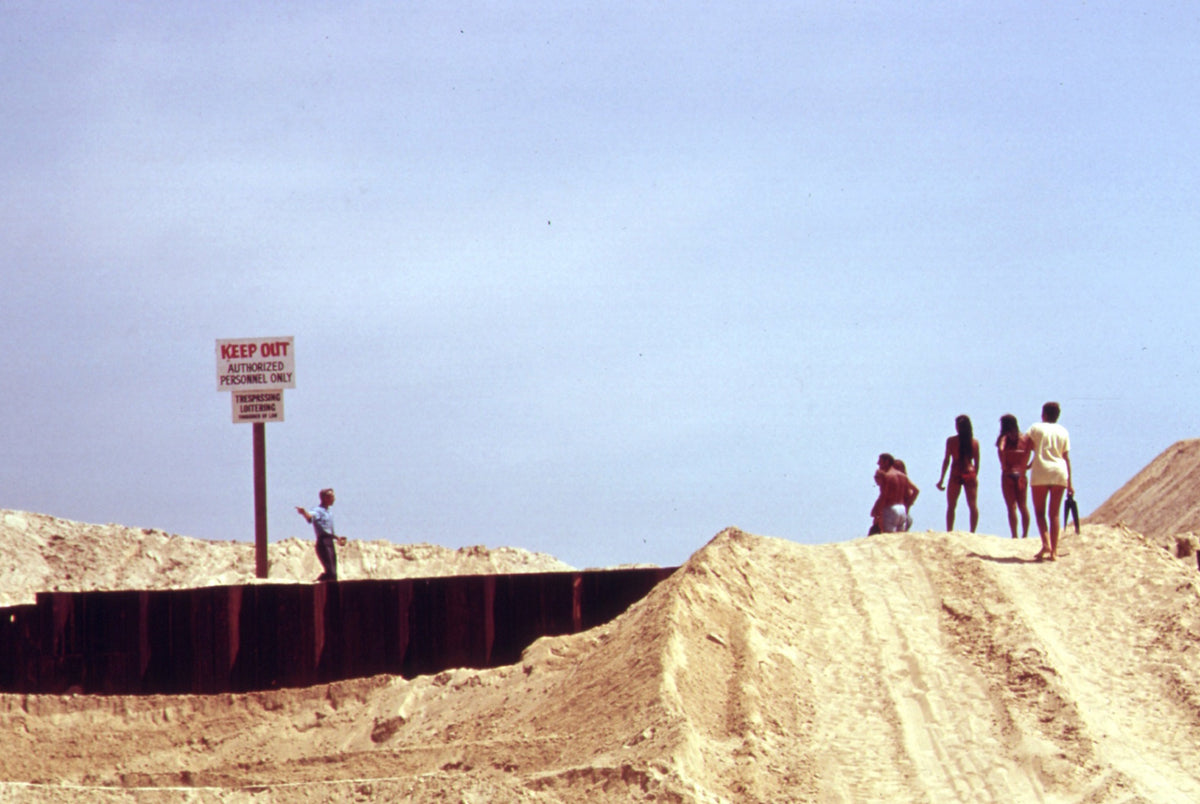
San Onofre, June 1975. DOCUMERICA, U.S. National Archives.
A note from Robbie
Every family has a story that gets told and retold until it becomes part of who you are. This is one of ours.
My grandmother, Nevil McInerny, wrote this about the summers she spent bodysurfing the Southern California coast in the 1940s, and the day she followed a stranger’s directions down a dirt road to a secret beach called San Onofre. It’s a story about owls and tortoises, rationed gas and green Churchill fins, and a tall, handsome boy named Bob who was patient enough to wait her out.
That boy was my grandfather.
No dirt road, no Bob and Nevil.
No Bob and Nevil, no me.
I hope you enjoy her words as much as we always have.
— Robbie
I
ALTADENA
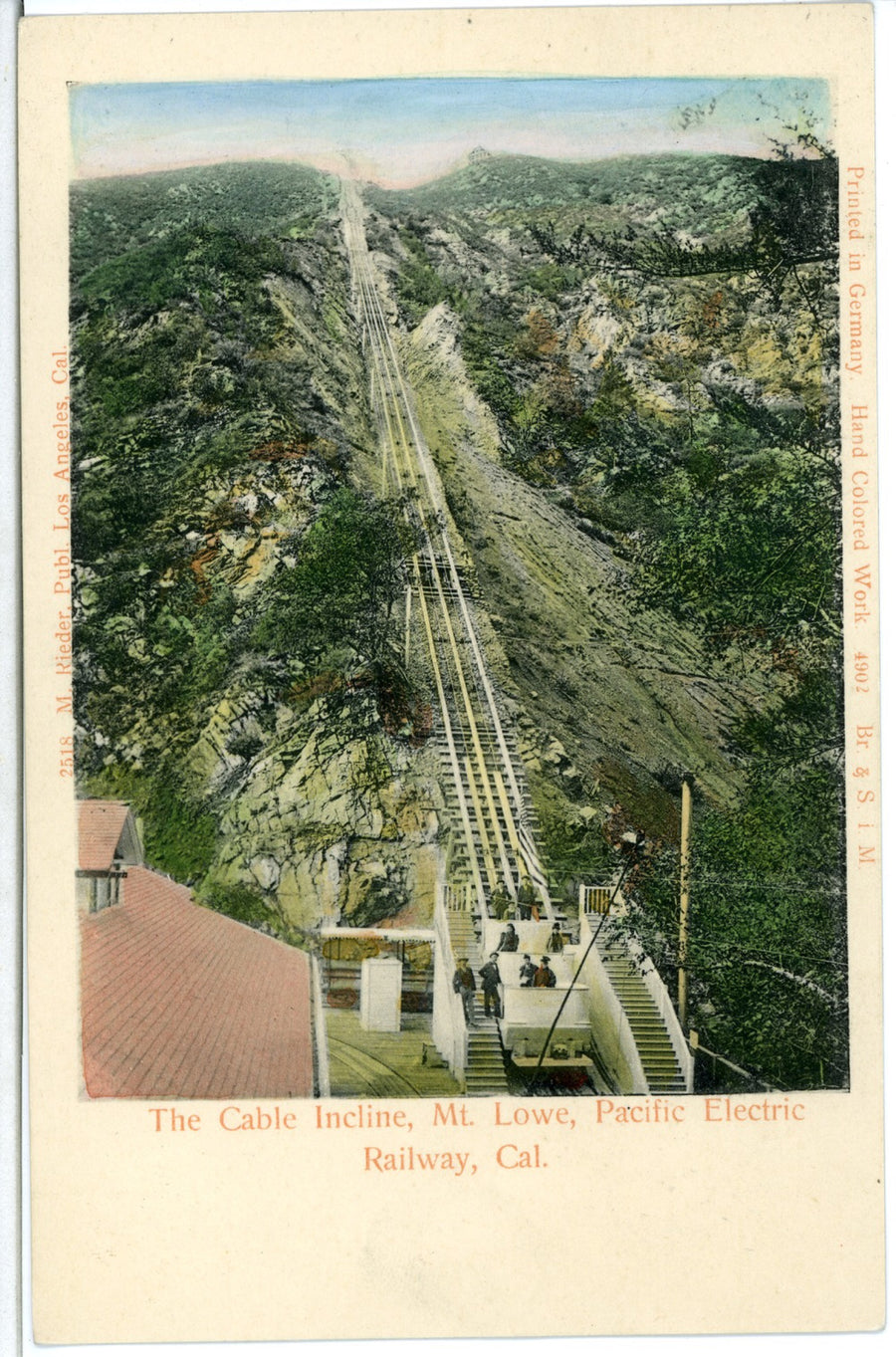
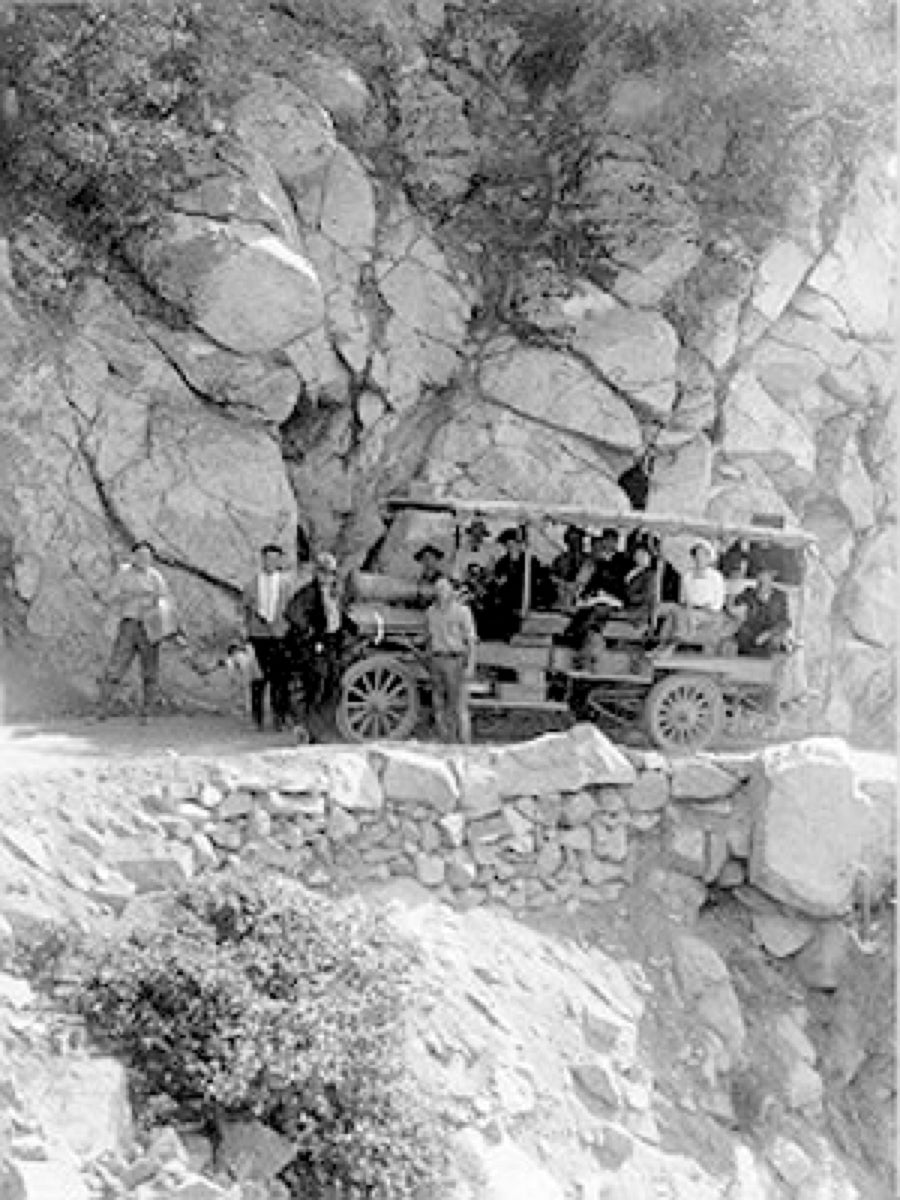
No one could have had happier, more fulfilling years than I did in Altadena, at the foot of the San Gabriel Mountains. The air was clear and there was plenty of elbow room. There were trees to climb, canyons to explore, trails to hike, and wildlife everywhere you looked.
In the vacant lot next door was an old pond full of frogs that croaked the night away, which we loved. I was taking cello lessons at school at the time and discovered I could make my cello sound very much like the nightly frog symphony. I also asked my teacher, Mr. Deak, to teach me “Home on the Range,” which he did.
In the abandoned chicken coop out back, my brother Dickie, my sister Terry, and I found a large, dusty old desert tortoise. We loaded him into our wagon and pulled him out to the pond to join the frogs. He turned out to have no interest in the water and eventually made his way back to the chicken coop. We also befriended a perfectly pleasant gopher snake who came around often. We tried to feed him, but he wasn’t interested in our offers.
We played football on the lawn with all the other kids in the neighborhood. My specialty was punting, which Dad had carefully taught me and which I practiced on my own, endlessly. I was also a ball carrier, until a little boy from around the corner tackled me and had to be taken to the emergency room. He had cracked three ribs. The mothers got together after that and banned me from the position. In fairness, I was the oldest and undoubtedly the most aggressive player on the field.
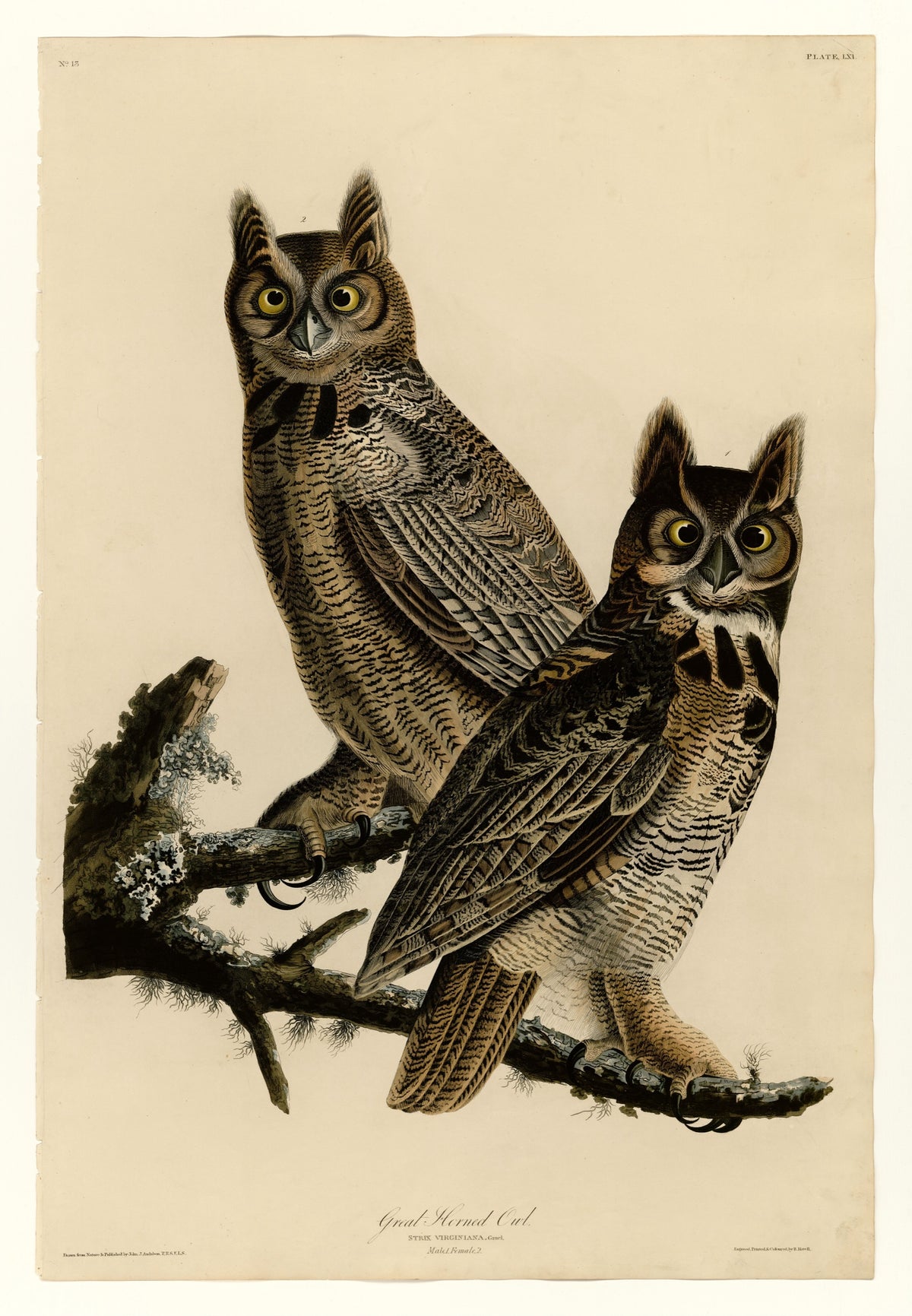
I climbed every tree that looked unique and challenging, especially the ones bearing fruit. My favorite was a huge deodar in a neighbor’s yard across the street. One season, way up high, I found myself on the same branch as an owl, tucked into a well-made nest. Every day after school I’d climb up to make sure she was still there. We would sit together for hours, just staring at one another. I didn’t seem to upset her in the least.
So, what does any of this
have to do with San Onofre?
I suppose you could think of it as a recollection of the things that have added the most to my very happy life. I haven’t even mentioned horses. Best not to. It would take up far too much time and paper.
II
PASADENA
One day, with no lead-up or hint, my mother and father announced that we would soon be moving to Pasadena, closer to Dad’s work and to the high school we would all eventually attend. Shock and dismay were new to me.
Many, many years later, I remember that day very well. I went upstairs, lay on my bed, and looked out the window at the mountains and the trees for the rest of the afternoon. Terry was there with me, but she was four years younger and didn’t seem to grasp the agony of it all. Dickie was a happy little fellow, and whatever happened was fine with him.
Pasadena.
The first week was miserable. How was my owl? Our tortoise? Our snake? And, oh yes, the kids in the neighborhood?
It was a difficult adjustment, but little by little the sun came out again. I still had Mike, my English Llewellin Setter. I had my family, new kids on the block, the Arroyo Seco not far away, and a riding stable a short bike ride from home.
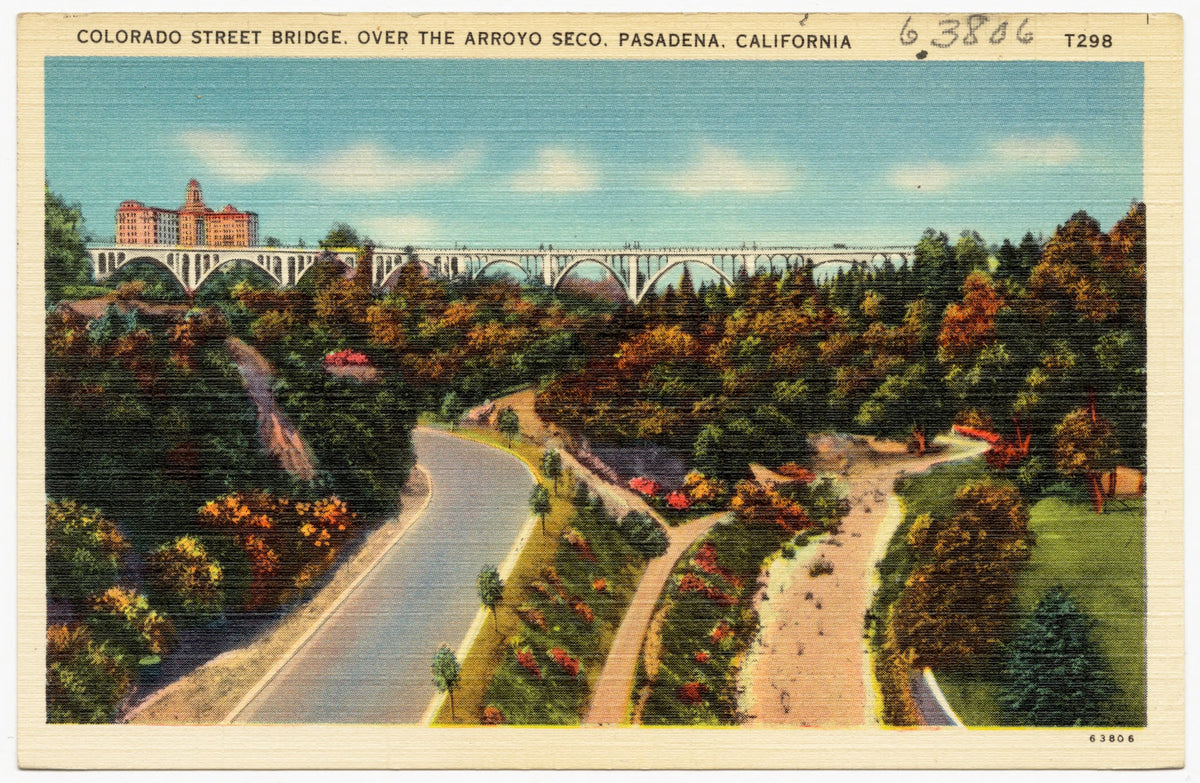
I started at South Pasadena High, which was dramatically different from Mayfield, where it had been mostly girls. It was a fun kind of different, however. Because I was quite the tomboy, I was placed in the boys’ gym class, along with shop and even the “men’s council.” That was turned around fairly quickly, and I soon became part of a nice group of girls. Every other week after school, we volunteered at Huntington Hospital, where we learned all kinds of interesting things.
And I had a boyfriend! Not so much a romantic thing, but Wamie skied and bodysurfed, which really intrigued me. I did neither and was eager to learn both. Wamie was just as eager to teach me, and this is where San Onofre enters the picture.
III
CORONA DEL MAR
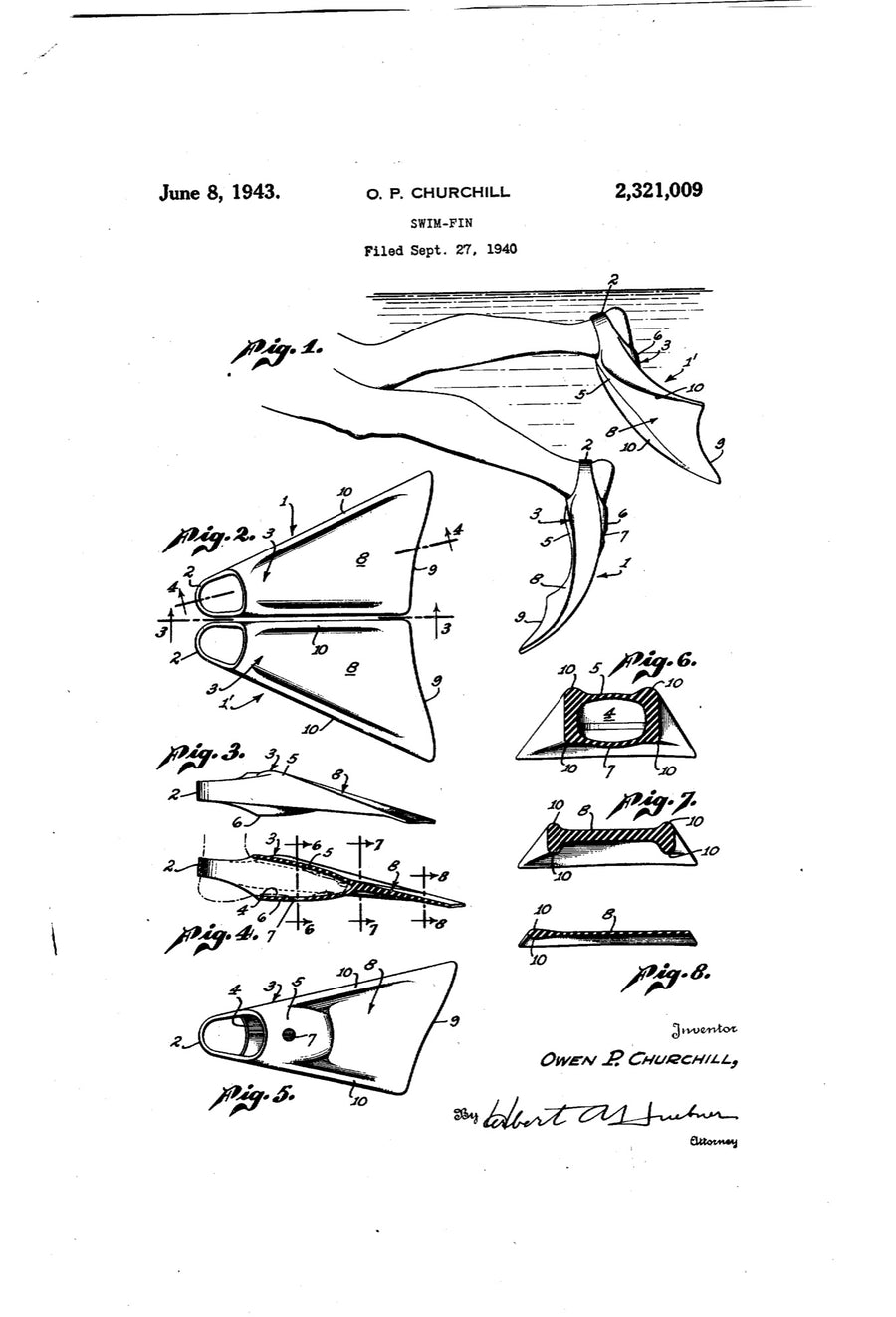
Wamie’s family had a small beach cottage perched on the cliff in Corona del Mar, overlooking the entrance to Balboa Bay. We spent days and weeks on the beach at Big Corona in our green Churchill fins, waiting for a promising set and charging in to take full advantage when one came. Bodysurfing became my new passion. I was entranced by the freedom of it.
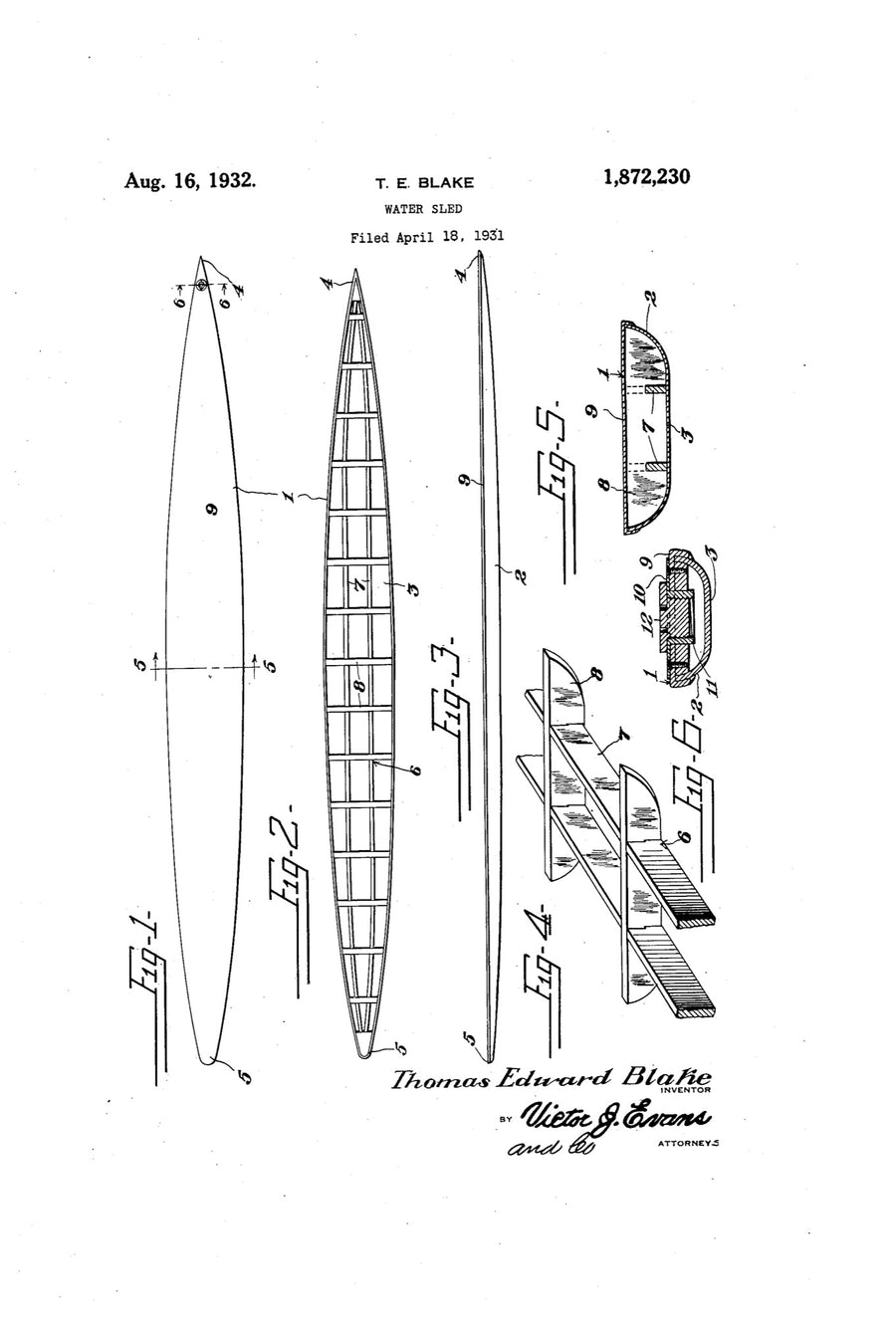
One flat, glassy day, while we waited for something to lure us into the water, we overheard someone talking about a surf camp down the coast near San Clemente that few people knew about. “The best-kept secret in surfing,” he called it. Wamie inched closer and finally asked him outright if he might share what he knew.
“The best-kept secret
in surfing.”
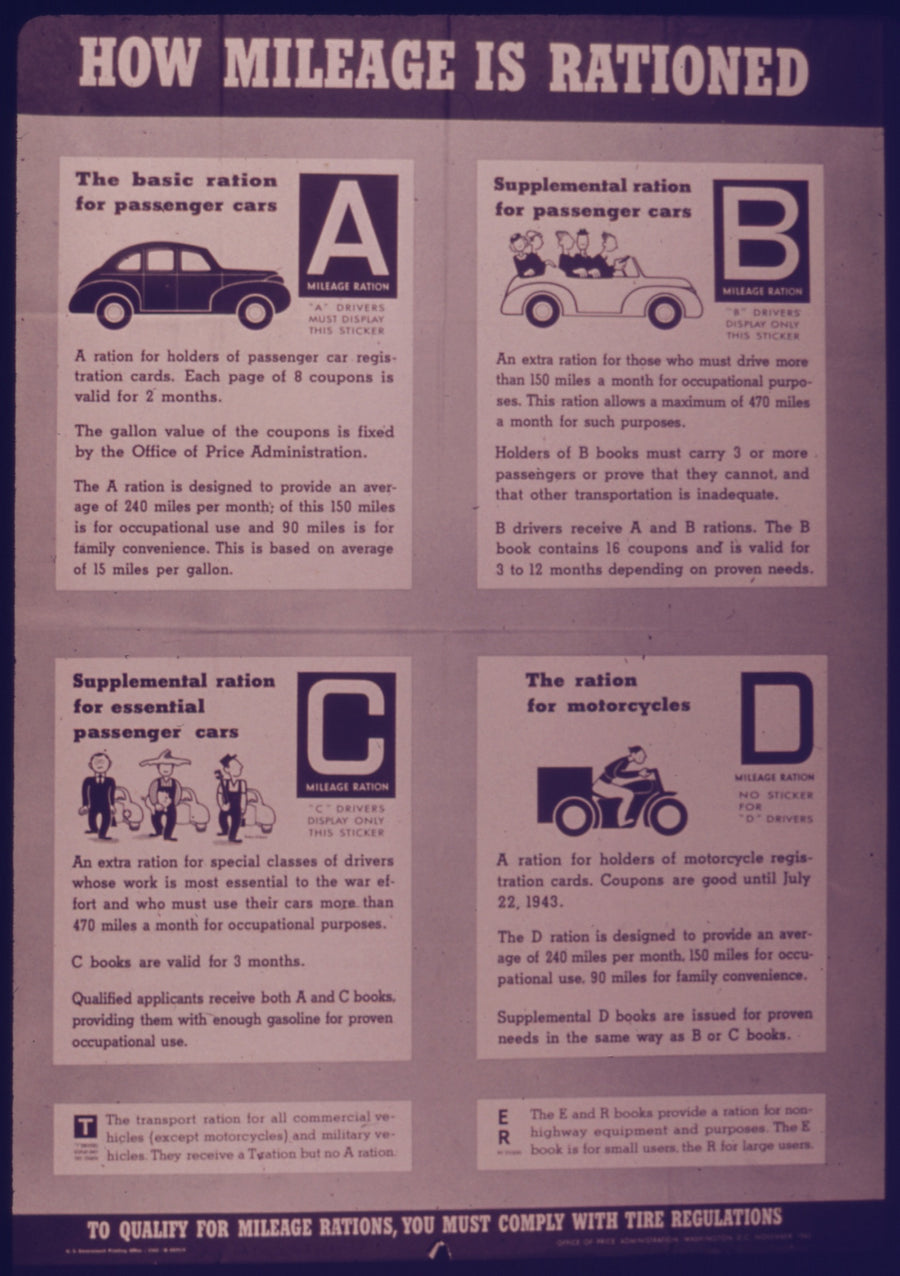
Needless to say, with the hints he left us, it didn’t take long before we were winding our way down the coast highway with just enough of our rationed wartime gas, or so we hoped. We were looking for a small café and a Texaco station on the side of the road, where we’d been told to turn toward the ocean and follow a bumpy, rut-filled dirt road.

Bump, bump, bumpety-bump, and there we were.
IV
SAN ONOFRE
It was a pleasant stretch of sand with none of the roaring surf you might expect, just long, rolling swells that almost seemed reluctant to break. They started a long way out, coming in from the south, and seemed to pick up force as they rolled endlessly toward shore. That gentle consistency is a big part of the magic of San Onofre.
It was a weekday and there weren’t many people on the beach, but the ones who were there looked as though they had just dropped in from the Islands. Tanned, sturdy physiques. Hand-woven straw hats. A high percentage of them holding or strumming ukuleles and guitars. At the south end of the beach, where the group had gathered, stood an open-sided shelter roofed with big palm fronds, a dozen or more enormous surfboards standing tall against its beams.
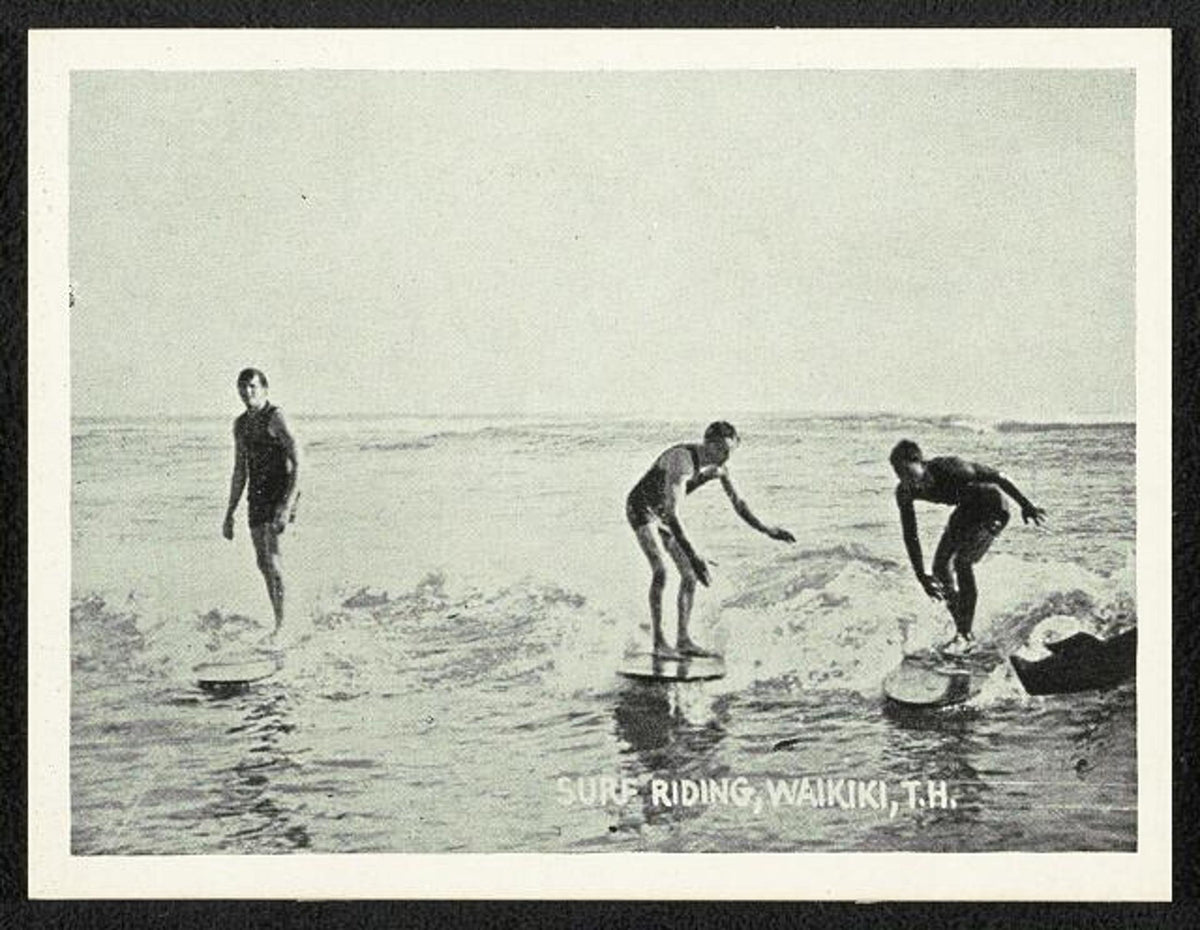
We didn’t waste a minute getting into that gentle, inviting surf. The bottom was pebbly, sometimes rocky, and so shallow that the water was waist-deep a long way out, very different from Corona del Mar. Once we were out there, Wamie kicked into a wave and disappeared from view on what seemed like an endless ride. Eventually I did the same. It was wonderfully easy to stay with the wave, with very little effort at all. Just as we’d been told.
We drove back to Corona del Mar exhausted after catching wave after wave. The next day we went back with what little gas we had left.
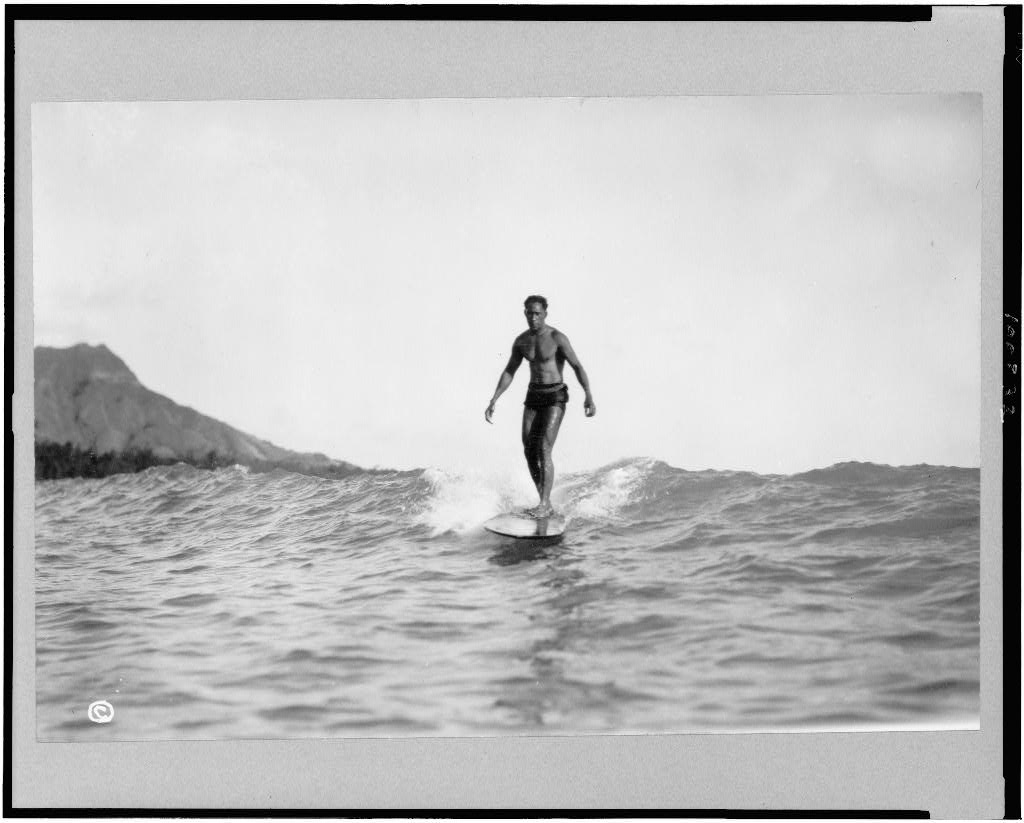
That day we watched the board surfers, whose style was quite different then. Once they were up, they mostly stood tall on the board. Some spread their arms like wings and looked very much like seagulls in flight. Legs bent, of course, as in most sports, but the upper body stayed straight, because bending forward was considered bad form. There were a few girls around this time. None of them surfed that day, not even bodysurfing, but one couple tried with great determination to tandem surf, with little success. The star of the day was a surfer who rode with his dog. Together, the man and his dog had an air of complete confidence and ease, as if there were nothing to it.
V
BOB
The days came and went like the rising and falling of the tides. Eventually Wamie and I went our separate ways. He kept surfing, and so did I. As the years went on, I couldn’t get down to San Onofre as often as I would have liked, but whenever I could, I went. It never changed much, and that was exactly what I loved about it. The same slow waves, the same ukuleles, the same easy company of the regulars who had become my friends.
Several summers later, after the war, I was down at San Onofre with that group of regulars when one of them informed me that a certain boy was quite interested in me. His name was Bob McInerny. I wasn’t keen on the idea. I was happy just as I was, enjoying the summer sun and running free.
Bob was patient, I’ll give him that. He tried once and got nowhere. He tried again, with the same result. I’d learned as a girl, sitting on that branch with my owl, that some creatures will simply wait you out. After several unsuccessful efforts, I decided to give the fellow a chance. He was tall and handsome, so I thought, what the hell.
Some creatures will
simply wait you out.
Well, one thing led to another. To my great surprise, I started to fall for him. And just like that, we were married.
VI
THE WAVES STILL ROLL IN
Life is funny that way. I spent an entire afternoon on my bed in Altadena, mourning a move I was sure would ruin everything. If we had never left, I would never have met Wamie, never learned to bodysurf, never followed a stranger’s hints down a dirt road to a secret beach. And I would never have met Bob.
San Onofre is still there, and the waves still roll in slow and easy from the south, the way they did the first day I saw them. I like to think that somewhere out past the break, there’s a girl in green fins waiting for a promising set, with no idea yet what’s coming her way.
A girl in green fins,
waiting for a promising set.
Nevil